Michigan Advances HB 6068 to Clarify State Gambling Laws

Written by: Jonathan Rodriguez
Published: Tue Jun 23, 2026, 8:00 am ET
Read Time: 4 minutes
industry
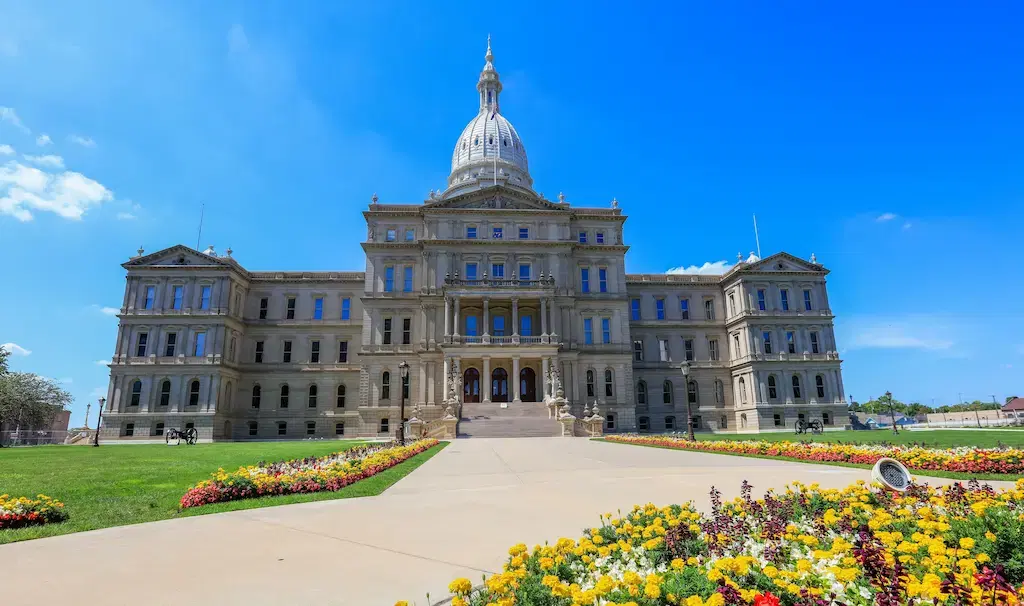
Michigan lawmakers are seeking to modernize the state's gambling laws through House Bill 6068. The proposal would clarify how regulated gaming activities interact with existing criminal gambling statutes while reinforcing the distinction between legal and illegal gambling operations.
The legislation does not authorize new forms of gambling. Instead, it aims to ensure that activities already permitted under Michigan law are clearly exempt from criminal gambling provisions.
As Michigan continues to operate one of the nation's largest regulated gaming markets, lawmakers say the bill would provide greater legal certainty for operators, regulators, and consumers. The measure could also strengthen the state's regulatory framework for online casinos, sportsbooks, and other authorized gaming activities.
Why HB 6068 Was Introduced
Michigan's gaming industry has expanded considerably over the past decade. Today, the state regulates commercial casinos, online casinos, sports betting, charitable gaming, and lottery products under various legal frameworks.
However, portions of Michigan's criminal gambling laws predate many of these developments. As a result, lawmakers believe some sections of the Penal Code no longer align with the modern gaming landscape.
HB 6068 seeks to remove any uncertainty by expressly recognizing that state-authorized gaming activities are not subject to criminal gambling prohibitions. Supporters argue that the legislation improves legal clarity without changing the scope of gambling currently permitted in Michigan.
The proposal also arrives as regulators continue to crack down on illegal gambling operations and unauthorized gaming machines. Consequently, lawmakers want to ensure that licensed operators remain clearly distinguished from unlawful enterprises.
What HB 6068 Addresses in Current Michigan Gambling Regulation
HB 6068 would add three new sections to Michigan's Penal Code: Sections 310f, 310g, and 310h. These provisions would formally exempt several categories of regulated gaming from the state's criminal gambling statutes.
The exemptions would apply to:
- Games operated by the Michigan Lottery
- Licensed bingo operations conducted under the state Bingo Act
- Gaming activities authorized under the Michigan Gaming Control and Revenue Act, including commercial casinos, online casinos, and sportsbooks
Lawmakers say the changes are intended to eliminate ambiguity by clearly separating regulated gaming from illegal gambling operations.
Importantly, HB 6068 does not expand gaming access or create new gambling products. Instead, the legislation clarifies that activities already authorized under Michigan law are not prohibited by criminal gambling provisions.
Bill Seeks to Clarify and Give Consistent State Gambling Regulations
The proposal could provide additional certainty for Michigan gambling stakeholders, including operators participating in the online gaming and sports betting markets. As one of the country's leading jurisdictions for US online casinos and US online sportsbooks, Michigan has a strong interest in maintaining a clear and consistent regulatory framework.
Beyond those clarifications, HB 6068 also includes changes affecting Millionaire Parties, which are charitable casino-style fundraising events operated by qualified nonprofit organizations. Under the bill, the maximum daily amount of chips or imitation money that may be exchanged during a Millionaire Party would increase from $20,000 to $40,000.
The legislation would also raise the aggregate exchange limit for certain venue owners hosting shorter events. That cap would increase from $80,000 to $160,000, effectively doubling the amount permitted under current law.
Amendments to Slot Machine Definitions
HB 6068 also updates Michigan's treatment of slot machines and gambling devices.
The legislation would establish a formal slot machine definition within the Penal Code. The definition encompasses mechanical, electrical, electronic, and digital devices that may award cash, credits, merchandise, tokens, or other items of value.
In addition, the bill revises procedures governing the seizure and disposal of illegal gambling devices.
At the same time, existing exemptions for antique slot machines would remain in place. Those exemptions apply to machines that are at least 25 years old and are not used for gambling purposes. Certain amusement and crane-style devices that comply with state law would also continue to be exempt.
Supporters believe these updates will help regulators more effectively distinguish lawful gaming equipment from prohibited devices.
What Happens Next for HB 6068?
Sponsors introduced HB 6068 in the Michigan House on June 10, 2026, sending it straight to the House Committee on Regulatory Reform.
Before becoming law, the bill must advance through the committee process and receive approval from the full House. If successful, the legislation would move to the Michigan Senate for consideration.
If both chambers pass the bill, it heads to Governor Gretchen Whitmer for her signature.
For now, HB 6068 remains in the early stages of the legislative process. Nevertheless, the proposal reflects lawmakers' efforts to update Michigan gambling laws while preserving strong oversight of legal gaming markets.
If enacted, the bill would provide clearer statutory guidance for regulated operators and strengthen the legal distinction between authorized gaming and illegal gambling activities throughout the state.
Betting Industry News Betting Industry News Betting Industry News Betting Industry NewsMore Industry News
MD Sports Betting: Sept Handle $652M, Revenue Down 20%

New Brunswick Eyeing Private iGaming Market

Sen. Ted Cruz Bill Targets Federal Sports Prediction Markets

New Jersey Mandates Data-Driven Gambling Checks

Jonathan Rodriguez
Jonathan is an avid basketball fan, and is often looking forward to the next upcoming NBA season when not checking players' stats during games. He also likes to keep his ears on the ground for the latest rumblings in the online casino industry.
This site contains commercial content. We may be compensated for the links provided on this page. The content on this page is for informational purposes only. Betting News makes no representation or warranty as to the accuracy of the information given or the outcome of any game or event.