Kentucky Sues Kalshi, Polymarket & VGW in Gambling Push

Written by: Jonathan Rodriguez
Published: Fri Jun 19, 2026, 8:00 am ET
Read Time: 5 minutes
industry
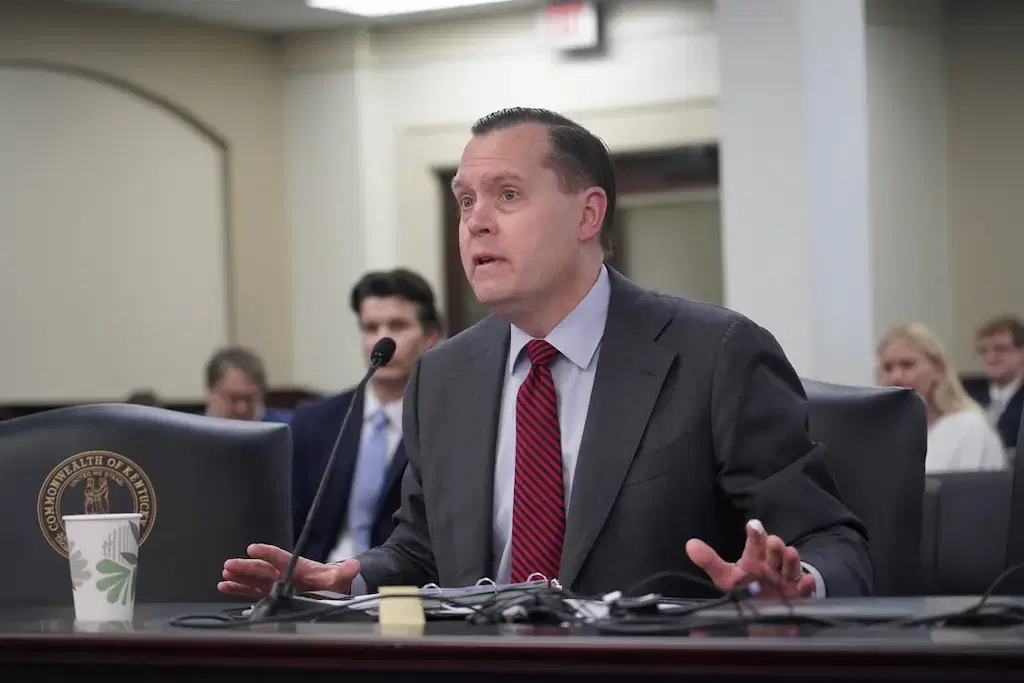
Kentucky has escalated its fight against unlicensed gambling operators by filing three separate lawsuits targeting prediction markets and sweepstakes casinos.
Attorney General Russell Coleman announced legal actions this week against Kalshi, Polymarket, and Virtual Gaming Worlds (VGW), the company behind sweepstakes casino brands Chumba Casino, LuckyLand Slots, and Global Poker.
State officials argue the companies are offering gambling products to Kentucky residents without complying with state gaming laws.
While the Kalshi and Polymarket cases focus on prediction markets and sports-related event contracts, the VGW lawsuit targets sweepstakes casino operations.
Together, the actions reflect a broader enforcement push against what Kentucky describes as unlicensed gambling activity operating outside regulated channels.
Kentucky AG Targets Prediction Markets With Separate Lawsuits
Attorney General Coleman filed three separate actions in Franklin Circuit Court, each targeting a different segment of the online gambling ecosystem. Kentucky officials argue the operators violate state gambling laws by offering wagering products without proper licensing.
"Our office has a duty to stop illegal gambling in Kentucky regardless of how it's packaged," Coleman said.
Kalshi Lawsuit
Kentucky's lawsuit against Kalshi alleges that the company offers sports-related event contracts that function as wagers on athletic contests. State officials argue that users risk money on uncertain outcomes and receive payouts based on results, making the activity equivalent to sports betting under Kentucky law.
The complaint claims Kalshi operates outside Kentucky's licensed sports wagering system despite offering products that closely resemble those of regulated sportsbooks. Officials are seeking injunctive relief and civil penalties to halt operations in the state.
The complaint against Kalshi also names major financial and retail trading platforms. This includes Coinbase Financial Markets, Robinhood, and Webull as co-defendants.
Kentucky alleges that by partnering with Kalshi to offer these prediction market products on their respective platforms, these mainstream companies actively facilitated the distribution of unlicensed wagering products to the public.
Kalshi has maintained that its contracts fall under federal commodities regulation rather than state gambling laws, setting up a direct jurisdictional conflict.
Polymarket Lawsuit
Kentucky's lawsuit against Polymarket makes similar allegations, asserting that the platform facilitates sports-based event contracts that constitute illegal gambling under state law.
Regulators claim Polymarket accepts participation from Kentucky residents without obtaining required state licenses. The state also argues the platform avoids consumer protection obligations imposed on licensed sportsbooks.
Like the Kalshi case, Kentucky seeks court intervention to prohibit access to Polymarket's offerings within the state.
VGW Sweepstakes Casino Lawsuit
The third lawsuit targets Virtual Gaming Worlds (VGW), the operator behind popular sweepstakes casino brands including Chumba Casino, Global Poker, and LuckyLand Slots.
Kentucky alleges VGW's dual-currency sweepstakes model constitutes illegal gambling under state law. Officials argue that players can exchange virtual currency gameplay outcomes for real-world value, placing the system within gambling statutes.
Unlike the prediction market cases, this lawsuit focuses on sweepstakes casino operations rather than financial event contracts. However, it reinforces Kentucky's broader position that multiple forms of online wagering are operating outside regulatory oversight.
Why Kentucky Filed the Lawsuits
Kentucky regulators assert that sports-related event contracts offered by prediction markets are effectively sports wagers rather than legitimate financial products.
State officials argue that consumers are betting on sporting outcomes in the same way they would through licensed sportsbooks. As a result, regulators believe prediction markets should be subject to the same rules, taxes, and oversight requirements.
"Kalshi and Polymarket are operating illegal sportsbooks in Kentucky and breaking our laws," said Attorney General Coleman in a press release. "These multi-billion dollar corporations and their legal fictions don't pass the sniff test. As one of our state legislative leaders said it best, 'If it looks like a duck and quacks like a duck…"
Kentucky officials have also raised concerns about consumer protections. Unlike licensed sportsbooks operating in the state, prediction markets are not required to implement Kentucky-specific responsible gambling safeguards.
Regulators argue that licensed operators provide tools such as self-exclusion programs, age verification procedures, and responsible gaming measures. These protections are standard among US online sportsbooks operating under state regulatory frameworks.
Kentucky Strengthens Oversight Through New Legislation
The lawsuits follow recent legislative efforts designed to curb the growth of prediction markets and strengthen gambling oversight.
Earlier this year, lawmakers approved House Bill 904, which will take effect on July 15, 2026. The measure imposes significant structural and commercial restrictions on prediction market operators conducting business in Kentucky.
However, the legislation has already triggered a major court battle. Just days before Coleman launched his lawsuits against Kalshi and Polymarket, a coalition that included Kalshi, Crypto.com, and industry advocacy groups filed suit against Kentucky to block HB 904.
The plaintiffs argue that the law discriminates against prediction markets and conflicts with federal authority governing event contracts traded on Commodity Futures Trading Commission-regulated exchanges. They contend that Kentucky is attempting to regulate products that fall under federal jurisdiction.
State officials disagree. Kentucky lawmakers and regulators maintain that sports event contracts function as wagers and should therefore be subject to the same oversight applied to licensed sportsbooks.
Supporters of HB 904 argue that the legislation protects consumers and preserves the integrity of the state's regulated gaming market. The measure will impose significant operational restrictions on prediction market companies. It could also limit their ability to expand within the state.
The timing of Coleman's lawsuits suggests Kentucky is pursuing a multi-pronged strategy. While the state defends HB 904 in court, it is also seeking direct judicial rulings that could block prediction markets and gambling operators from serving Kentucky residents.
The measure further demonstrates Kentucky's commitment to expanding Kentucky gambling enforcement beyond traditional sportsbooks and casino-style offerings.
What Happens Next?
The lawsuits could become another major test of the legal boundaries between state gambling laws and federally regulated prediction markets.
Notably, the litigation now runs in both directions. Prediction market operators and their allies are challenging Kentucky's new law. The state is simultaneously seeking court orders against Kalshi, Polymarket, and VGW. The outcome of either case could have significant implications for the other.
Several states have launched similar enforcement actions in recent months. Meanwhile, operators continue to defend their products as lawful event contracts under federal oversight. Courts across the country have reached varying conclusions, leaving significant uncertainty for both regulators and the industry.
Kentucky's cases could help clarify how sports event contracts should be treated under state law. The outcomes may also influence how other states approach regulation and enforcement in this rapidly evolving sector.
For now, Kentucky intends to remain at the forefront of the national effort to challenge prediction markets and sweepstakes operators.
Betting Industry News Betting Industry News Betting Industry News Betting Industry NewsMore Industry News
Protect College Sports Act Advances in Senate

Ninth Circuit Reverses Kalshi Tribal Injunction Ruling

New York Sports Betting Handle Falls 15% in August

H.R.10357 Advances Gambling Loss Tax Deduction Fix

Jonathan Rodriguez
Jonathan is an avid basketball fan, and is often looking forward to the next upcoming NBA season when not checking players' stats during games. He also likes to keep his ears on the ground for the latest rumblings in the online casino industry.
This site contains commercial content. We may be compensated for the links provided on this page. The content on this page is for informational purposes only. Betting News makes no representation or warranty as to the accuracy of the information given or the outcome of any game or event.