Connecticut Judge Rejects Kalshi Injunction Request

Written by: Jonathan Rodriguez
Published: Wed Aug 19, 2026, 8:00 am ET
Read Time: 4 minutes
industry
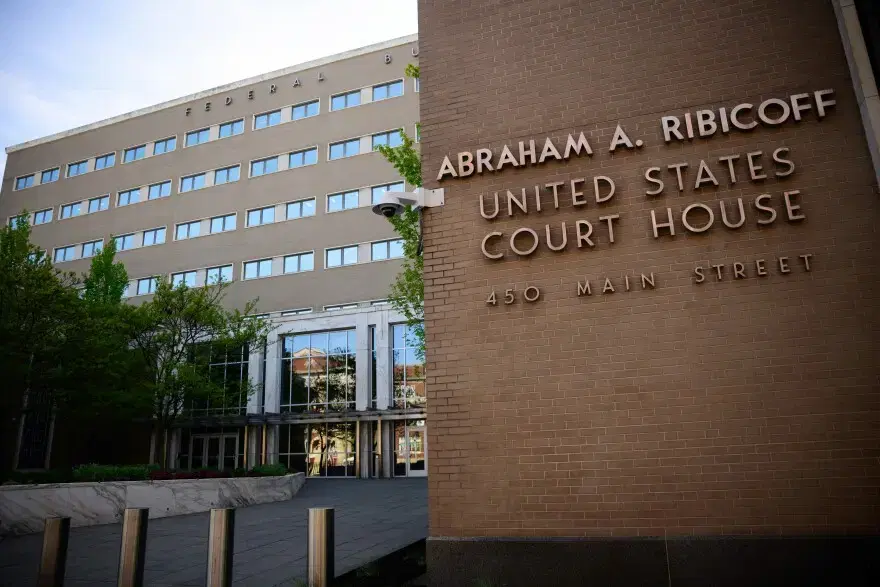
Kalshi has suffered another legal setback in Connecticut after a federal judge rejected its request for emergency protection. The ruling allows the state to pursue enforcement against the prediction market while its appeal continues.
U.S. District Judge Vernon D. Oliver denied Kalshi's motion for an injunction pending appeal on August 15. The decision followed his August 10 ruling, which rejected Kalshi's request for a preliminary injunction against Connecticut officials.
Kalshi faced a high legal hurdle because an injunction pending appeal requires a strong likelihood of success on the merits. Its earlier loss also made it harder to demonstrate that the district court's decision warranted immediate intervention.
The latest decision could clear the way for Connecticut Attorney General William Tong to pursue civil enforcement against Kalshi. State officials had previously refrained from enforcement while Kalshi sought preliminary relief.
Judge Rejects Kalshi's CFTC Argument
Kalshi based part of its latest request on an emergency order issued by the Commodity Futures Trading Commission (CFTC).
The CFTC declared a market emergency in New York on August 11. It then directed Kalshi to continue operating under the Commodity Exchange Act's core principles.
Kalshi argued that the order demonstrated a conflict between federal requirements and state gambling laws. The company said complying with state restrictions could conflict with its obligations as a federally regulated designated contract market.
Judge Oliver rejected that argument.
"This argument is not compelling, as it ignores a fundamental holding of the PI Order: that the sports-event contracts in dispute are not swaps subject to the CFTC's exclusive jurisdiction," Oliver wrote.
The judge previously determined that Kalshi's sports-event contracts are not swaps under federal law. He also found that Connecticut gambling laws complement federal regulation rather than conflict with it.
Oliver also challenged the CFTC's ability to issue an order that conflicts with a federal court's interpretation.
"Nothing in the CEA takes away statutory interpretation from the Courts, and as an administrative agency, the CFTC lacks the authority to dictate an order that conflicts with this Court's decision," Oliver wrote.
Connecticut Gambling Enforcement Could Continue
The ruling leaves Kalshi without the temporary protection it requested while appealing the underlying case.
Oliver also rejected Kalshi's argument that the CFTC order established irreparable harm. The judge noted that the CFTC had not threatened to revoke Kalshi's designation if it followed state laws.
Instead, Oliver found that Connecticut had a compelling interest in enforcing its gambling laws. He also said preventing the state from enforcing those laws could cause irreparable harm to Connecticut.
New York offers a clear example of what enforcement could mean for Kalshi. Attorney General Letitia James launched a major civil enforcement lawsuit after Kalshi lost similar preliminary relief.
That parallel highlights the potential consequences of Kalshi's Connecticut setback. State officials could pursue legal action rather than simply seek restrictions on the company's operations.
Traditional US online sportsbooks generally operate under state-issued gambling licenses. They must also comply with individual state regulations.
Kalshi, by contrast, argues that its federal regulatory status gives its event contracts a different legal position. Connecticut regulators disagree, particularly when those contracts cover sports outcomes.
Kalshi Takes Its Case to the Second Circuit
Kalshi is now seeking relief from the U.S. Court of Appeals for the Second Circuit. The company wants the appeals court to block Connecticut's enforcement efforts while the broader legal challenge proceeds.
The appellate court could therefore become the next major battleground in the dispute.
The case also carries implications beyond Connecticut gambling. Several states have challenged Kalshi's sports contracts, while the CFTC has increasingly intervened in disputes between the company and state regulators.
Judge Oliver's ruling could strengthen state regulators' arguments against that federal intervention. It directly rejects the idea that the CFTC can use emergency powers to override a federal court's interpretation of federal law.
For now, Kalshi faces another setback in Connecticut. The company must convince the Second Circuit that its federal regulatory status should prevent state enforcement while its appeal moves forward.
Betting Industry News Betting Industry News Betting Industry News Betting Industry NewsMore Industry News
South Carolina Governor Race Could Open Door to Sports Betting

Nevada Targets 2027 Sportsbook Tech Standards Overhaul
NFL Backs SCOTUS Review of Prediction Markets

Coinbase Halts Sports Contracts in Michigan

Jonathan Rodriguez
Jonathan is an avid basketball fan, and is often looking forward to the next upcoming NBA season when not checking players' stats during games. He also likes to keep his ears on the ground for the latest rumblings in the online casino industry.
This site contains commercial content. We may be compensated for the links provided on this page. The content on this page is for informational purposes only. Betting News makes no representation or warranty as to the accuracy of the information given or the outcome of any game or event.