Baltimore Sues Kalshi, Polymarket Over Sports Betting

Written by: Jonathan Rodriguez
Published: Mon Aug 17, 2026, 9:00 am ET
Read Time: 4 minutes
industry
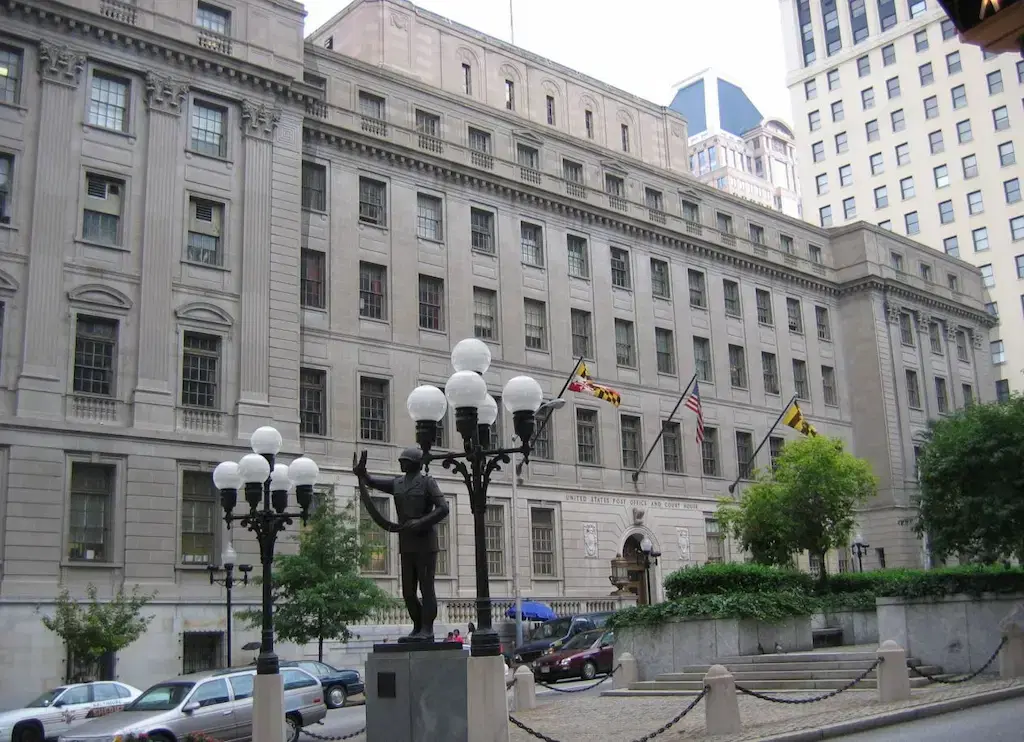
Baltimore has sued Kalshi and Polymarket over their sports prediction markets. The city alleges both platforms offer illegal, unlicensed sports betting in Maryland.
The lawsuits, filed August 13, target prediction markets offering sportsbook-style contracts. Baltimore argues these products fall under Maryland's sports wagering laws.
The cases add another challenge to prediction markets as they expand across the United States. They also highlight growing tension between federal oversight and state gambling laws.
Baltimore Alleges Kalshi and Polymarket Violate Maryland Gambling Laws
Baltimore argues Kalshi and Polymarket effectively operate unlicensed sportsbooks within the city. The lawsuits claim their sports contracts function like conventional wagers.
Kalshi offers contracts tied to sports outcomes, while Polymarket provides moneylines, spreads and player props. The city also points to in-game markets and combination bets.
Baltimore argues these products meet Maryland's definition of sports wagering. Therefore, the city says the operators need proper authorization under state law.
The Kalshi lawsuit also names Robinhood, Webull and Coinbase. Baltimore alleges those companies offered and promoted Kalshi's sports contracts to Maryland users.
The city also alleges the companies created misleading impressions about their offerings' legality. Baltimore says those practices violate its Consumer Protection Ordinance.
The lawsuits raise concerns about age restrictions as well. Maryland requires customers to be at least 21 to participate in legal sports wagering.
Meanwhile, prediction markets can allow customers aged 18 and older. Baltimore argues that distinction creates additional consumer protection concerns.
What Baltimore Wants From the Lawsuits
Baltimore wants courts to block Kalshi and Polymarket from offering unauthorized sports wagering. The city also seeks to prevent additional transactions involving Baltimore residents.
Additionally, Baltimore seeks restitution for affected consumers and disgorgement of allegedly unlawful profits. The city also wants available civil penalties under its Consumer Protection Ordinance.
Baltimore Mayor Brandon Scott defended the city's action in a statement,
"Baltimore will not let multibillion-dollar companies put profits over people and harm our communities through illegal gambling."
City Solicitor Ebony M. Thompson also defended Baltimore's consumer-protection strategy.
"Kalshi and Polymarket cannot circumvent Baltimore's consumer protections by repackaging gambling as something else or claiming federal regulation puts them beyond the reach of our laws," Thompson noted.
"The City will continue to use its consumer protection authority to stop deceptive and unlawful conduct and hold companies accountable when they put our residents at risk."
Baltimore's action follows its broader campaign against gambling-related businesses. The city sued DraftKings and FanDuel under its Consumer Protection Ordinance in April 2025.
Baltimore later filed lawsuits against sweepstakes casino operators in March 2026. The latest cases make Baltimore the first U.S. municipality to directly sue prediction market operators.
Prediction Market Platforms Argument: They Operate Under Federal Laws
Kalshi rejects Baltimore's characterization of its contracts as illegal sports betting. The company instead argues that federal law governs its prediction markets.
Kalshi characterized Mayor Scott's lawsuit as "political theater." The company said Baltimore is attempting to relitigate an issue already before the Fourth Circuit.
Kalshi maintains that its event contracts fall under the Commodity Exchange Act. They also point to the Commodity Futures Trading Commission's regulatory authority.
However, Maryland previously challenged Kalshi's sports contracts. The state's regulator then issued the company a cease-and-desist letter in April 2025. Kalshi subsequently challenged Maryland's position in federal court. A federal judge later denied its request for a preliminary injunction.
Meanwhile, Polymarket also defended its regulatory model. The company argued that a "patchwork of state and local rules" conflicts with the CFTC's established federal framework.
Polymarket's regulatory history differs from Kalshi's domestic model. The company historically operated offshore before returning to the US market through regulated arrangements.
Additionally, Polymarket has also used CFTC-regulated clearing partners for certain US prediction market products. That structure helps explain why state regulators scrutinize its operations differently.
Nevertheless, Polymarket maintains that federal oversight should prevent conflicting state and local requirements.
Baltimore Lawsuit Adds to Wider Prediction Market Fight
Baltimore's lawsuits could become significant for the growing prediction market industry. The cases directly challenge the legality of sportsbook-style contracts at the municipal level.
The city has also established a clear enforcement precedent through its earlier lawsuits. Its actions against traditional sportsbooks and sweepstakes casinos show a broader consumer-protection strategy.
Meanwhile, states across the country continue challenging prediction markets. Regulators increasingly argue that sports contracts resemble wagers offered by licensed sportsbooks.
Prediction market operators counter that federal oversight provides the necessary regulatory framework. The resulting disputes have created an increasingly complex legal landscape.
For Maryland gambling, the Baltimore lawsuits focus on whether prediction markets require state authorization. The cases could also influence how municipalities address prediction markets within their jurisdictions.
On the side of US online sportsbooks, the dispute could affect competition with prediction market operators. A ruling against Kalshi and Polymarket could strengthen state oversight of sports prediction contracts.
Conversely, a favorable ruling for the companies could reinforce federal authority over these markets. Baltimore's lawsuits therefore represent another important test in the growing prediction market battle.
Betting Industry News Betting Industry News Betting Industry News Betting Industry NewsMore Industry News
South Carolina Governor Race Could Open Door to Sports Betting

Nevada Targets 2027 Sportsbook Tech Standards Overhaul
NFL Backs SCOTUS Review of Prediction Markets
Coinbase Halts Sports Contracts in Michigan

Jonathan Rodriguez
Jonathan is an avid basketball fan, and is often looking forward to the next upcoming NBA season when not checking players' stats during games. He also likes to keep his ears on the ground for the latest rumblings in the online casino industry.
This site contains commercial content. We may be compensated for the links provided on this page. The content on this page is for informational purposes only. Betting News makes no representation or warranty as to the accuracy of the information given or the outcome of any game or event.