What You Need to Know About Betting on Boxing: Rules, Bets, Strategies, and More

Written by: Eddie Griffin
Last Update: Sun Sep 27, 2026, 8:10 pm ET
Read Time: 11 minutes
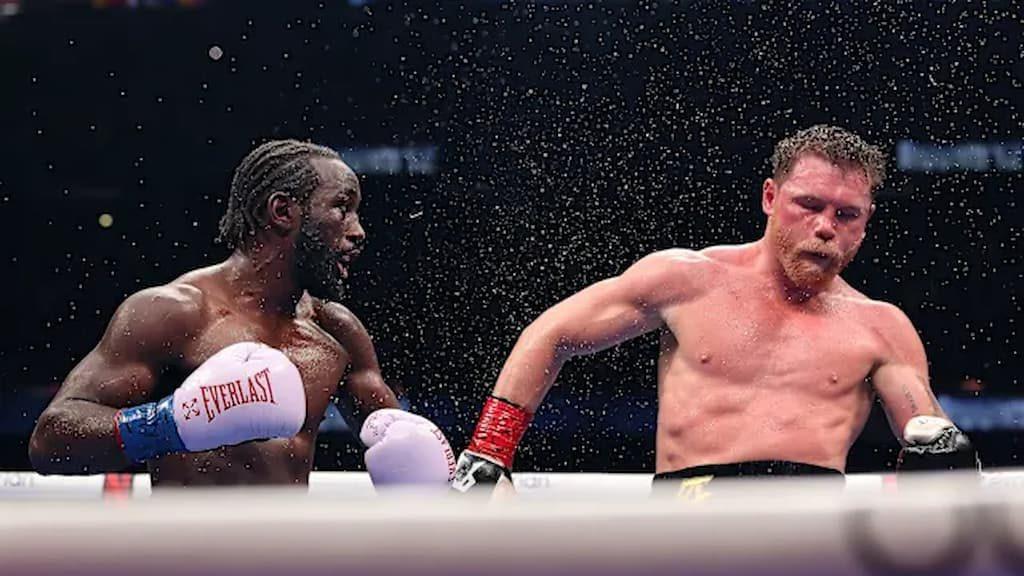
Boxing betting involves much more than picking which fighter will win. Matchups can be shaped by fighting styles, reach, power, defense, stamina, weight, recent form, and the way each boxer is likely to approach the bout.
Sportsbooks also offer a wide range of boxing markets. Along with fight-winner odds, bettors can wager on round totals, method of victory, whether a bout will go the distance, round betting, props, and live markets.
Here, we explain how the sport works, the main types of boxing bets, what to consider when researching a matchup, and common mistakes to avoid. We also highlight useful boxing research resources and top online sportsbooks such as Lucky Rebel, BetOnline, and Everygame.
Where to Bet on Boxing Odds: Top Boxing Betting Sites in 2026
Several reputable sportsbooks offer extensive boxing betting markets for major fight cards throughout the year. The global appeal of the sport means bettors can often find competitive odds and a wide range of wagering options, especially for high-profile events.
Three standout options for boxing bettors include:
Lucky Rebel provides competitive odds on major fights and undercard matchups within a clean, easy-to-use platform. Bettors can also access live betting and a variety of props, including method of victory and round betting.
BetOnline has long been a popular option for combat sports betting, offering extensive coverage of boxing events around the world. Its pre-fight odds are often available well in advance of major bouts, along with markets such as moneylines, round totals, and outcome combinations.
Everygame also offers consistent coverage of major boxing events, including championship fights and pay-per-view cards. Bettors can find key markets such as fight winner, over/under rounds, and method of victory.
In addition to these top U.S.-facing sportsbooks, international sports betting sites such as MegaPari and MelBet also provide a wide range of boxing odds. Boxing odds are also popular at Canadian sportsbooks and crypto sportsbooks.
Understanding the Basics of Boxing
Boxing is a combat sport where two fighters compete in a square ring with ropes around it. Each fighter wears padded gloves and tries to land punches on their opponent while avoiding getting hit themselves. It is one of the oldest and most popular combat sports in the world.
A boxing match is divided into segments called "rounds." Each round lasts three minutes (though bouts may have shorter rounds), with a one-minute break between rounds where fighters rest in their corners. Championship fights (for title belts) usually have 12 rounds, while regular fights may have fewer rounds.
As is the case in MMA, boxers compete in different weight classes to ensure fights are between opponents of similar size.
Understanding Weight Classes
One of the first things new boxing bettors should understand is that fighters compete in weight classes. Unlike many other sports, boxers cannot simply fight anyone they choose. Instead, they compete against opponents of a similar size, helping create fairer and more competitive matchups.
Each weight class has its own rankings and world champions, meaning there are title fights taking place across multiple divisions throughout the year. While the heavyweight division often attracts the most attention, many of boxing's biggest stars have competed at lighter weights.
Here are some of the most prominent professional men's boxing weight classes:
| Weight Class | Maximum Weight |
| Heavyweight | Over 200 lbs |
| Cruiserweight | 200 lbs |
| Light Heavyweight | 175 lbs |
| Super Middleweight | 168 lbs |
| Middleweight | 160 lbs |
| Super Welterweight (Junior Middleweight) | 154 lbs |
| Welterweight | 147 lbs |
| Super Lightweight (Junior Welterweight) | 140 lbs |
| Lightweight | 135 lbs |
| Featherweight | 126 lbs |
| Bantamweight | 118 lbs |
| Flyweight | 112 lbs |
| Strawweight (Minimumweight) | 105 lbs |
For bettors, weight classes provide valuable context when analyzing a matchup. A boxer who dominates one division may not enjoy the same success after moving up in weight, where opponents are naturally larger, stronger, and often possess greater punching power.
Likewise, fighters who cut a significant amount of weight before a bout can sometimes appear drained or struggle to maintain their stamina over the later rounds.
When researching a fight, consider whether either boxer is making their debut in a new weight class or returning to a division where they have previously enjoyed success. Those factors can influence everything from a fighter's speed and power to their durability and overall performance, making weight class an important piece of any boxing betting analysis.
How Do Bouts End?
To bet successfully on boxing, you need to understand how a fight can end. There are several possible methods of victory in boxing, and each one affects your bets differently.
Knockout (KO) & Technical Knockout (TKO)
Knockouts are the most dramatic ending. A knockout happens when a fighter gets hit and falls to the canvas (the floor of the ring) and cannot get back up before the referee counts to ten. When the referee reaches "ten," the fight immediately ends, and the fighter who delivered the knockout wins. Knockouts can happen at any point during a match.
A TKO occurs when the fight is stopped, but not because of a full knockout. The referee might stop the fight if one fighter is taking too much punishment and can't defend themselves properly.
A fighter's corner (their team) can also "throw in the towel" to end the fight if they feel their fighter is in danger. Additionally, the ringside doctor can step in and stop the fight due to a cut or injury.
Decision
If the fight finishes without a knockout or TKO, three ringside judges decide the winner.
They score each round individually, with the fighter who wins a round typically receiving 10 points and the loser receiving 9 points (or fewer if they were knocked down, dominated, or receive a points deduction for a hit below the belt or another foul). After the final round, the judges add up their scores.
Draw
Occasionally, judges score a fight evenly. This results in a draw where neither fighter wins. This occurs infrequently, but it does happen, even in championship bouts and other major bouts.
Disqualification
If a fighter repeatedly or severely breaks the rules, the referee can disqualify them, automatically awarding the victory to the other fighter. Actions that can result in disqualification in the event of repeated or severe instances can include hitting below the belt, hitting the back of the head, or biting.
How Fights Are Scored
If a boxing match reaches the end of its scheduled rounds, the judges' scorecards determine the result. Professional boxing generally uses the 10-point must system, with the winner of a round typically receiving 10 points and the other fighter receiving nine or fewer.
Knockdowns can produce 10-8 rounds, while point deductions for fouls can also affect the scores.
Judges evaluate several factors, including clean punching, effective aggression, ring generalship, and defense. Punch volume alone does not determine who wins a round, and the fighter moving forward is not necessarily the effective aggressor.
After the final round, the three scorecards determine the official result. A unanimous decision occurs when all three judges favor the same boxer. A split decision occurs when two judges favor one fighter and the third favors the opponent. A majority decision occurs when two judges favor one boxer and the third scores the fight even.
A majority draw occurs when two judges score the fight even, while a split draw occurs when one judge favors each boxer and the third scores the bout even.
Understanding how boxing is scored can be especially useful when evaluating fighters who frequently go the distance or considering decision and method-of-victory bets.
Types of Boxing Bets
Boxing sportsbooks offer several ways to wager on a fight. The simplest is moneyline betting, where you select which boxer will win. Favorites have negative American odds and underdogs have positive odds, while some sportsbooks also offer a three-way market that includes the draw.
Over/under betting focuses on how long the fight will last. If the total is 9.5 rounds in a bout with three-minute rounds, the dividing point is generally 1:30 into Round 10. Settlement rules can vary, so check the sportsbook's terms.
Method-of-victory markets let you bet on a fighter to win by KO/TKO, decision, or another listed outcome. You can also wager on whether the fight will go the distance or end early. Round betting goes further by asking you to predict the exact round or group of rounds in which the fight will end.
Sportsbooks may also offer prop bets on outcomes such as whether there will be a knockdown or whether a fight reaches a certain round. Parlays allow you to combine selections from multiple fights or markets into one wager, while live betting can provide updated odds as a bout unfolds.
Available markets differ by sportsbook and event, especially for undercard fights. Always check what outcome your wager requires and how unusual results such as draws, disqualifications, or technical decisions will be graded.
Boxing Betting Strategies and Tips
Start by evaluating how the fighters match up stylistically. Pressure, counterpunching, movement, defense, stance, reach, and the ability to control distance can all influence how a bout develops. A pressure fighter may thrive against an opponent who struggles moving backward but have more difficulty against an accurate counterpuncher. Southpaw-versus-orthodox matchups can also create unfamiliar angles and openings.
Watch previous fights when possible rather than relying only on records or highlight clips. Full bouts can show how a boxer responds to pressure, adjusts when the original game plan is not working, defends while tired, and performs against opponents with similar styles. Previous fights may be available through YouTube or services such as DAZN, where you can watch top boxing matches live or on demand.
Pay attention to how each fighter uses the jab, works the body, handles exchanges at close range, and performs when forced to fight at a different pace. Also consider whether one boxer tends to start quickly or improve as a fight progresses, which can matter when evaluating round totals and method-of-victory markets.
Recent form, opponent quality, activity, weight changes, and durability also deserve attention. A fighter moving divisions may gain or lose physical advantages, while a difficult weight cut or long layoff can affect stamina and sharpness.
Finally, look beyond raw knockout totals. Consider who the stoppages came against, whether the power has carried against higher-level opponents, and how each fighter has responded after being hurt.
Best Boxing Betting Resources
Several resources can help when researching boxing matchups.
BoxRec is one of the best starting points for fighter research. Its database includes professional records, opponent histories, bout information, event listings, and ratings, making it useful for evaluating both a boxer's results and the level of competition they have faced.
ESPN Boxing provides schedules, news, rankings, previews, results, and analysis, while DAZN offers extensive fight coverage along with previews, interviews, weigh-ins, and access to previous bouts. Watching full fights can provide important context about style, defense, stamina, and how a boxer responds to different opponents.
CompuBox provides punch statistics for many major fights, including connects, jabs, power punches, and overall volume. These numbers can supplement film study, but they should not be treated as a substitute for it or as a direct representation of how judges score a fight.
The major sanctioning organizations also maintain their own divisional rankings and championship information. The WBC, WBA, IBF, and WBO can help bettors track champions, contenders, mandatory challengers, and title situations across boxing's weight divisions.
Mistakes to Avoid When Betting on Boxing
One common mistake is betting with your heart. Being a fan of a fighter can make it easier to overlook weaknesses or dismiss advantages held by the opponent. Separate who you want to win from whether the matchup and available odds justify a wager.
Bettors can also overvalue knockout power. A harder punch does not guarantee victory, especially against a boxer who can use movement, defense, timing, and distance to avoid clean shots. Floyd "Money" Mayweather Jr., for example, built much of his success around defense, accuracy, timing, and control rather than relying primarily on knockouts.
Records can also be misleading. An undefeated boxer may have faced weaker competition than an opponent whose losses came against elite fighters. Consider opponent quality, recent performances, and stylistic matchups rather than focusing only on wins and losses.
Social media, analysts, forums, and other bettors can provide useful perspectives, but outside opinions should supplement rather than replace your own research.
Finally, understand your sportsbook's settlement rules. Draws, technical decisions, disqualifications, shortened fights, and changes to the scheduled distance can affect boxing wagers differently. Check how the book grades the specific market before placing round totals, method-of-victory bets, or other props.